December Lawn Care: What to Do Right Now

Every December, I pull out the manila folder where I keep notes from all the lawns I consulted on that year. December 8th, 2024, I sat down with that folder and counted: 47 lawns, 12 of which had problems traceable to a soil pH issue that the homeowner never tested for. The most common pattern: lawns that pH-tested in the 5.4-5.7 range needed three pounds of pelletized lime per 1,000 square feet to correct, but their owners had been guessing at lime applications based on bag instructions for years. Three of those 12 were ready for full lime corrections by spring; the other nine needed split applications across two years. None of those plans get made in March. They get made in December.
Anton Schwarz, Resident Lawn Types Expert: “December is for paperwork, not lawn work. Most homeowners don’t keep notes — that’s mistake number one. The homeowner who writes down what they applied, when, and what the lawn looked like in response can identify patterns. The homeowner who relies on memory is making the same mistake every spring without realizing it. December is when you sit down with last year’s notes, last year’s soil test, and the photos from August’s diagnostic walk, and you make the plan for next year. The lawn work in March is just execution — the planning happens now.”
What Should Cool-Season Lawns Do in December?
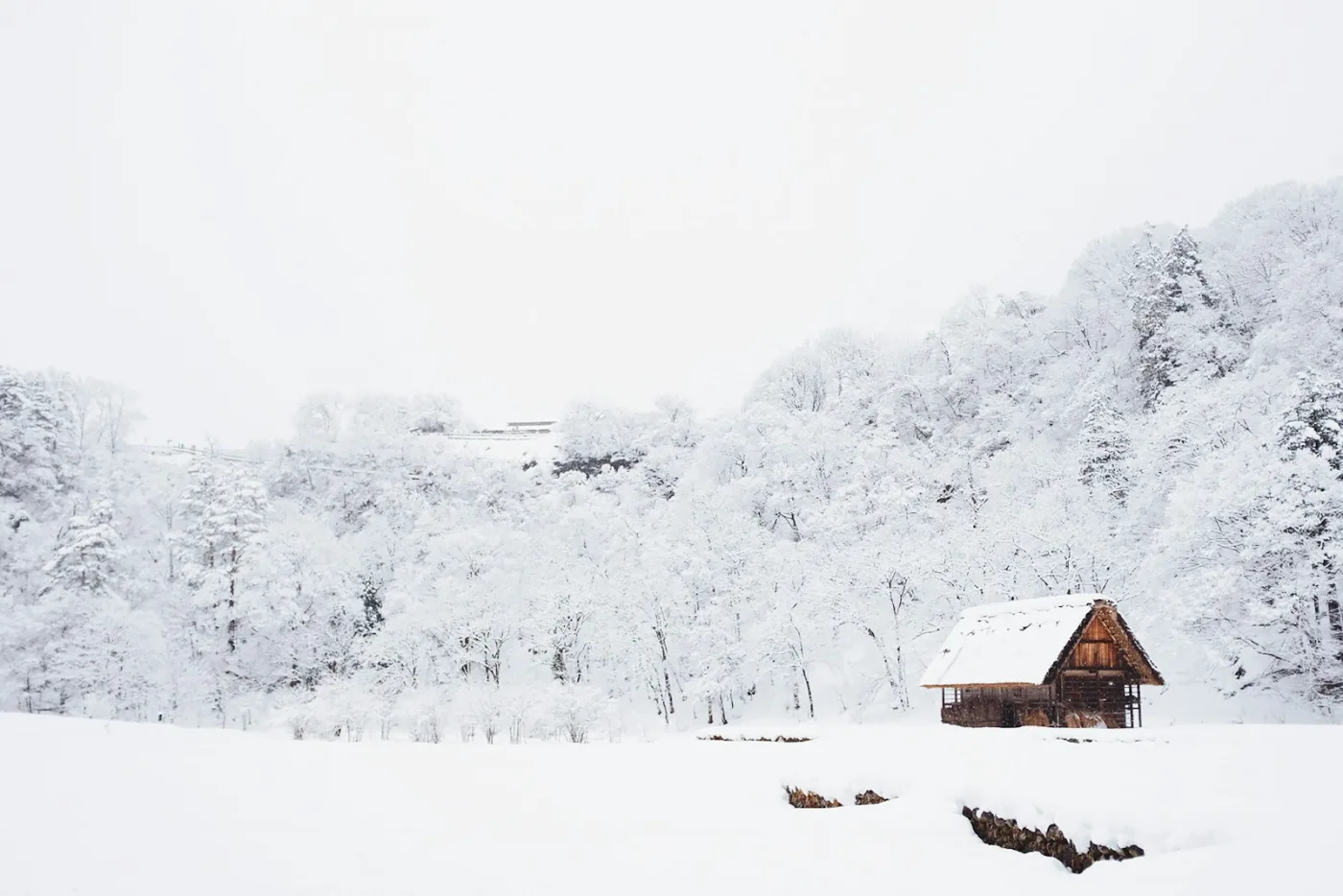
Cool-season grasses are fully dormant in Zones 2-6 by early December. Zone 7 may show light dormancy. The lawn doesn’t need any active management. Your job shifts entirely to planning.
Order a Soil Test (If Not Done in Fall)
If you didn’t soil-test in September-October, December is the next best window. Frozen ground complicates sampling but isn’t a hard barrier. Pull samples from 4-inch depth in 6-8 spots across the lawn, mix them in a clean bucket, dry to room temperature, and send to a lab.
Recommended labs:
- Logan Labs (Ohio) S1 standard test — $25-30, returns pH, CEC, base saturation, organic matter
- Your local university extension service — usually $10-20 with regionally-tuned recommendations
Avoid the dollar-store probe-style “soil tests” — those measure moisture and conductivity, not actual nutrient levels.
Review Last Year’s Notes
If you kept notes through the season (when you fertilized, what you applied, weather patterns, lawn response), December is when those notes pay off. Open last year’s notes and look for patterns:
- When did your spring greenup actually happen vs when you expected it?
- Did the September overseeding establish well, or did some areas fail?
- Where did fungal disease appear, and at what point in the summer?
- Which weed species came back despite pre-emergent?
The patterns from last year point to the targeted interventions for next year. If you didn’t keep notes, December is the time to start a notebook for next season.
Plan Next Year’s Application Calendar
Map out next year’s product applications on a real calendar. The sequence:
- Late January: order pre-emergent and starter fertilizer (before price increases)
- February: monitor soil temperature
- March: pre-emergent application based on soil temp trigger
- April: light spring fertilizer
- May: GrubEx grub prevention
- June: raise mowing height, stop fertilizing
- September: core aerate, overseed, fall fertilizer
- October: second fall fertilizer, broadleaf weed control
- November: winterizer fertilizer, final mow
Adjust to your specific zone and lawn type. A written calendar prevents the “wait, when was I supposed to apply this?” panic in March.
Inspect Equipment One More Time
Mowers, trimmers, blowers, sprayers — verify each is properly winterized. Drained or stabilized fuel, removed and stored batteries, clean decks and chambers. Check the blade — schedule sharpening for early February if not done in November.
What Should Warm-Season Lawns Do in December?
Warm-season grasses are fully dormant in Zones 7-10 (except Florida and Gulf Coast Zones 9-10 which may show some green). The lawn is brown and inactive. Active management is unnecessary.
Maintain Ryegrass Overseed (If Applicable)
For bermuda lawns overseeded with ryegrass for winter color, December maintenance is light mowing every 3-4 weeks at 2-2.5 inches. The ryegrass continues to provide green color through winter.
Plan Spring Pre-Emergent Window
Warm-season pre-emergent goes down February-March. Monitor your local soil temperature trends — when daytime soil temps reach the high 50s consistently, the warm-season weed germination window is opening. December is when you order the product and pre-mark the application date.
Order Soil Test
Same recommendation as cool-season — Logan Labs S1 or local university extension. Soil pH and nutrient levels matter for warm-season grasses too, especially for centipede (which fails at high pH) and St. Augustine (which struggles at low pH).
Why Planning Is December’s Priority
The reason most homeowners’ lawns don’t improve year over year is that they treat each year as independent — buying products in March based on what looks broken in February. The reason great lawns get better year over year is that the homeowner aggregates information from multiple seasons and acts on patterns.
December’s planning math:
- No planning approach: average lawn quality oscillates around a fixed mean year over year. Spring panic shopping. Reactive interventions that fix symptoms but don’t address causes.
- Planning approach: average lawn quality climbs steadily over 3-5 years. Soil pH gets corrected. Compaction zones get aerated. Disease-prone cultivars get overseeded with disease-resistant blends. Patterns emerge and patterns get addressed.
The planning takes 2-3 hours total. Pull last year’s notes, review the soil test, map the calendar, order what’s pre-orderable. The return on those 2-3 hours is materially better lawn quality every year going forward.
December Quick-Reference Checklist
Cool-Season (Zones 2-7):
- Order soil test if not done in fall
- Review last year’s notes and identify patterns
- Plan next year’s application calendar
- Final equipment inspection and storage check
- Order spring supplies for January-February delivery
Warm-Season (Zones 7-10):
- Order soil test
- Plan spring pre-emergent application window
- Maintain ryegrass overseed if applicable
- Equipment winterization confirmation
- Spring product ordering
Frequently Asked Questions About December Lawn Care
Can I do anything to my lawn in December?
Active management is rarely needed. The exceptions: removing fallen branches or debris that could smother grass under snow, addressing late-season leaf accumulation, and monitoring for vole/mouse damage in heavily-mulched areas. Otherwise, December is hands-off.
Should I water my lawn in December?
Generally no. Once soil temperatures drop below 40°F, root activity stops. Watering frozen or near-frozen ground does no good. The exception: a single deep watering in late November or very early December if the fall has been unusually dry and the ground hasn’t frozen. After that, leave the lawn alone until spring.
How do I keep notes through the season?
A simple notebook or spreadsheet is plenty. Track: dates of applications, products and rates used, weather conditions, lawn observations (what looked good, what didn’t, where problems appeared). One entry per week through the active season is enough. The value is in being able to look back at multi-year patterns — “did that disease appear in early June or late June?” matters when planning preventive treatments.
When should I order spring products?
January through early February for pre-emergent herbicides and starter fertilizers. Prices typically climb 15-20% by April when seasonal demand peaks. Quality grass seed for fall overseeding sells out by mid-September every year — pre-order in spring or early summer for best selection.
Should I prune trees in December?
Tree pruning isn’t lawn care, but it affects lawn health — overhanging branches that drop heavy snow loads damage turf underneath, and dense canopies in spring shade out turf below. December and January are the optimal pruning window for most deciduous trees (the dormant period). For trees within 20 feet of your lawn, December pruning improves spring lawn light availability.
What’s Coming in January?
January is when the planning work pays off — soil test results inform lime/sulfur applications, equipment work happens at lower shop costs, and pre-orders for spring supplies lock in lower pricing. The next month covers the dormant-season tasks that set up an organized spring. See our January lawn care guide for the full breakdown.
Lawn Care Year Navigation
| Previous | Hub | Next |
|---|---|---|
| ← November lawn care | 📅 Annual Calendar | January lawn care → |
Season hub: Winter Lawn Care Guide — full three-month winter program with cool-season and warm-season specifics.
Related Resources
- Annual Lawn Care Calendar — the complete 12-month schedule
- Winter Lawn Care Guide — full December-February dormant program
- Best Lawn Mowers — winter upgrade window
- Best Fertilizer Spreaders — pre-order before April price spike
- Tall Fescue Care Guide — planning next year’s overseed