July Lawn Care: What to Do Right Now

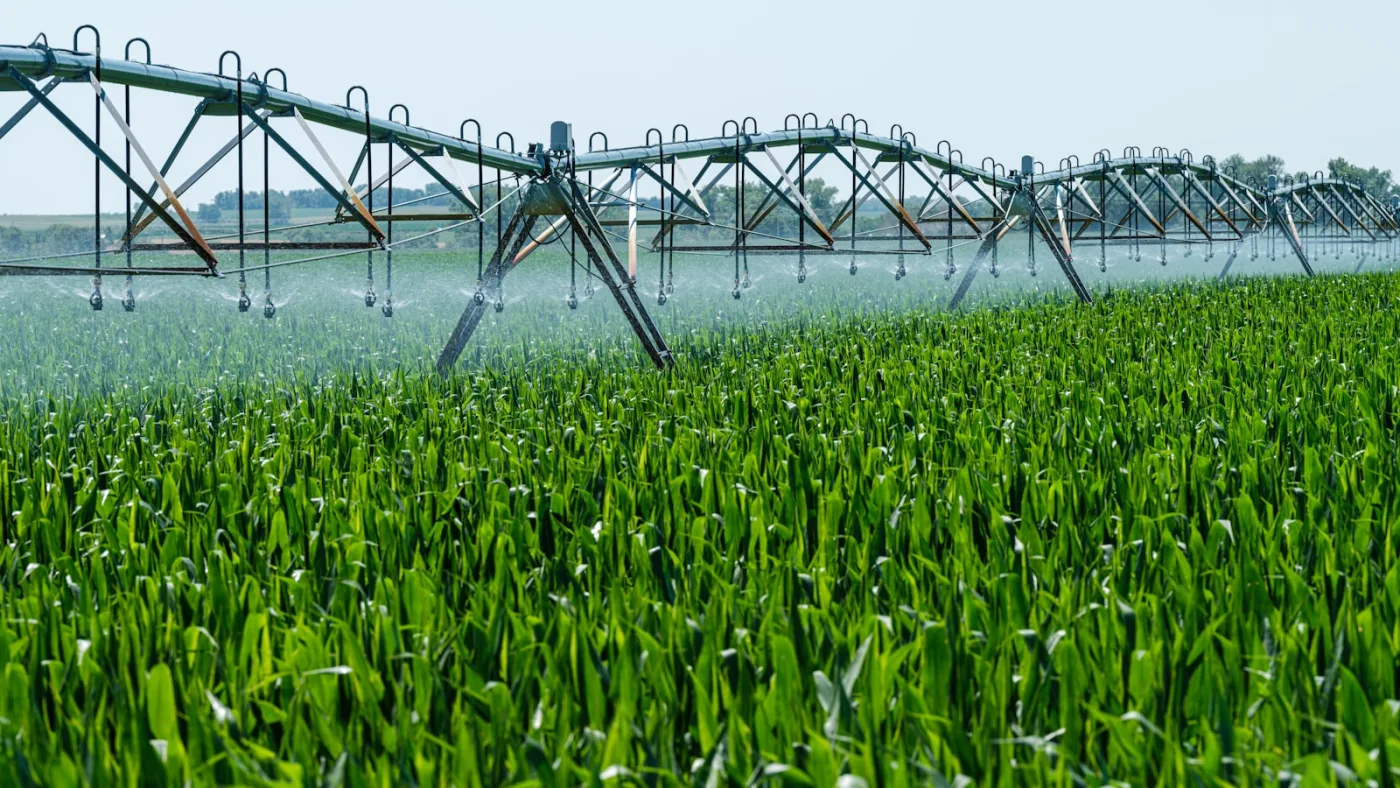
I walked a north Dallas lawn in July 2023 where the homeowner had been watering 15 minutes every morning for six weeks straight — a pattern most of his neighbors followed. He thought the brown patches starting to appear were drought damage and his answer was to extend watering to 25 minutes every morning. The actual problem was that his shallow daily watering had trained the bermuda’s roots to stay in the top 2 inches of soil, where the surface temp hit 100°F+ every afternoon. We switched him to two 45-minute sessions per week. Three weeks later, the brown patches were filling in and his water bill had dropped by half.
Anton Schwarz, Resident Lawn Types Expert: “July is when watering mistakes show up. Shallow daily watering trains shallow roots. Shallow roots can’t reach the cooler soil moisture six inches down. Then a heat wave hits and the lawn looks like it’s dying — and the homeowner waters more, which makes the problem worse. Deep, infrequent watering. That’s the rule. The lawn that gets watered twice a week for an hour beats the lawn watered every morning for fifteen minutes, every single time.”
What Should Cool-Season Lawns Do in July?
Cool-season grasses are in survival mode through July. Soil temperatures peak. Top growth slows. The grass is rationing energy reserves — your job is to minimize stress, not push growth.
Maintain the 4-inch Mowing Height
Continue mowing at 3.5-4 inches (set in June). Resist the urge to cut shorter “to make the lawn last longer between mowings” — shorter cuts during heat stress damage the grass crown. Mow only when the lawn needs it (when blades reach 5-5.5 inches), typically every 10-14 days during peak heat.
If a heat wave is forecast, skip a scheduled mow rather than mowing into stressed grass. The lawn can wait an extra few days; the heat-stress damage from mowing during a 95°F dome cannot be undone.
Deep, Infrequent Watering
1 to 1.25 inches per week total, split into two sessions of 0.5-0.6 inches each. Apply early morning (4-7 AM ideal). Late-evening watering keeps leaves wet overnight and feeds fungal diseases.
If your lawn shows footprint persistence (footprints remain visible 30+ minutes after walking) — that’s the early wilt indicator. Add a third 0.25-inch session that week, but don’t shift to daily watering. The goal is rooting depth, not surface saturation.
Recognize Drought vs Disease vs Heat Damage
Three different problems look similar in July; the responses differ:
- Drought: irregular patches following exposure (south slopes worse than north), grass blades curl/fold, soil moisture probe reads dry at 4 inches deep. Response: ensure 1 inch/week irrigation actually delivered.
- Brown patch: circular patches with dark “smoke ring” border, visible in early morning dew, grass blades have water-soaked appearance. Response: water in morning only, consider Scotts DiseaseEx if severe.
- Heat damage: wilting in afternoon that recovers overnight, no patch pattern, blades feel hot to the touch by mid-afternoon. Response: this is normal heat stress; the lawn will recover when temps moderate. No action needed unless wilting persists past 9 PM.
Skip Fertilizer
No nitrogen fertilizer through July. The lawn can’t process it efficiently above 80°F soil temp, and pushing growth diverts energy from root reserves. Wait until September.
What Should Warm-Season Lawns Do in July?
Warm-season grasses thrive in July heat. Bermuda, zoysia, and St. Augustine are at peak productivity. The challenges shift from growth support to pest pressure and water management.
Mow Frequently — Bermuda May Need 2x/Week
Bermuda continues to grow aggressively. Mow every 4-5 days at 1-1.5 inches (hybrid) or 2-2.5 inches (common). Don’t let it grow tall and scalp it back — scalping during peak heat exposes the crown.
Continue Monthly Fertilizer for Bermuda
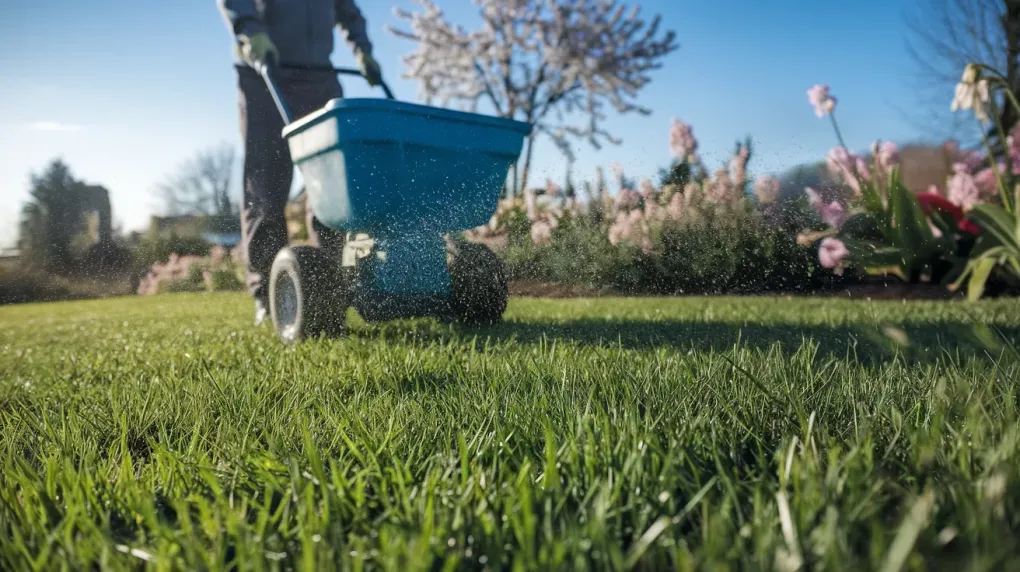
0.75-1 lb N per 1,000 sq ft for bermuda in July. Apply with a calibrated broadcast spreader. Water in with 0.25 inches of irrigation.
Zoysia and St. Augustine hold at lighter applications (0.5 lb N) every 6-8 weeks. Don’t over-fertilize St. Augustine — excess nitrogen builds up thatch and increases chinch bug attractiveness.
Monitor Aggressively for Chinch Bugs and Armyworms
July is peak insect pressure for warm-season lawns. Chinch bugs damage St. Augustine in irregular yellow patches that turn brown. Armyworms strip bermuda and zoysia at night.
Test for chinch bugs: cut both ends from a coffee can, push 2 inches into the soil at the edge of a damaged area, fill with water. Chinch bugs float to the surface within 5 minutes.
Test for armyworms: look for birds congregating on the lawn (starlings, grackles), or pour soapy water on a damaged area at dusk — armyworms surface within minutes.
Deep Watering Continues
1-1.25 inches per week for bermuda. St. Augustine may need slightly more (1.25-1.5 inches) in sandy Florida soils. Split into two sessions, water in early morning.
Why Watering Discipline Is July’s Priority
The single biggest July failure is shallow watering disguised as “watering more.” When a heat wave hits, the instinct is to water daily. That trains shallow roots and makes the next heat wave worse.
Deep watering math from University of Georgia turfgrass research:
- Daily 15-minute light watering: roots concentrated in top 2 inches, soil surface temp 100°F+ during heat waves, grass crown stressed at the same time water is being applied.
- Twice-weekly 45-minute deep watering: roots extending 6+ inches deep, accessing cooler subsoil moisture, grass crown protected by deeper root reserves.
Same total water applied. Completely different outcomes. Most homeowners need to see the bermuda lawn that recovered after switching from daily to twice-weekly watering before they trust the math.
If you have an irrigation controller, set it to two sessions per week (e.g., Tuesday and Friday early morning), 45 minutes each session for typical popup sprinklers. Adjust the duration based on a tuna-can catch test.
July Quick-Reference Checklist
Cool-Season (Zones 2-7):
- Maintain 3.5-4 inch mowing height
- Deep watering 1-1.25 inches/week (2 sessions)
- Skip fertilizer
- Watch for footprint persistence (wilt indicator)
- Monitor for brown patch and dollar spot
Warm-Season (Zones 7-10):
- Mow bermuda every 4-5 days
- Apply monthly fertilizer (bermuda 0.75-1 lb N)
- Test for chinch bugs in St. Augustine
- Watch for armyworm activity (birds feeding)
- Maintain deep watering 1-1.25 inches/week
Frequently Asked Questions About July Lawn Care
Should I water more during a heat wave?
Maintain the same 1 inch/week deep schedule. Don’t shift to daily watering. If wilt becomes visible, add one extra 0.25-inch session that week. The instinct to water daily during heat waves is the single biggest mistake homeowners make in July — it trains shallow roots and worsens the next heat wave.
What time should I water?
Early morning (4-7 AM). The grass blades dry by mid-morning, reducing fungal pressure. Evening watering keeps leaves wet overnight, which feeds dollar spot and brown patch. Mid-day watering loses 30%+ to evaporation in summer heat.
Why is my lawn yellow?
Most likely heat stress combined with summer dormancy. Cool-season grasses naturally yellow in July as a survival response — they’re not dying, they’re conserving energy. Don’t fertilize to “green it up” — that pushes top growth at the expense of roots and makes the lawn worse heading into August. Maintain proper watering and mowing height; the lawn greens back up in September.
How do I know if I have grub damage starting?
Early grub damage shows as randomly-scattered wilting patches that don’t respond to irrigation. By mid-July, grubs are too small to be visually obvious in a soil cut. Monitor instead for: increased bird activity (especially crows, starlings), skunk or raccoon digging at night, and the irregular wilt pattern. By August, full grub damage is visible — but you’ll be reacting, not preventing.
Can I dethatch in July?
For warm-season lawns at peak growth, light dethatching is acceptable if absolutely necessary. For cool-season lawns, no — heat stress plus dethatching damage compounds. Wait until September for cool-season dethatching, and even then, core aeration is usually the better choice.
What’s Coming in August?
August is the diagnostic month — whatever’s wrong with your lawn shows up clearly by mid-August. The next month covers grub damage recognition, fall planning, and the cool-season pre-overseeding tasks that set up September. Our summer lawn care guide maps the full plan.
Lawn Care Year Navigation
| Previous | Hub | Next |
|---|---|---|
| ← June lawn care | 📅 Annual Calendar | August lawn care → |
Season hub: Summer Lawn Care Guide — full three-month summer program with cool-season and warm-season specifics.
Related Resources
- Annual Lawn Care Calendar — the complete 12-month schedule
- Summer Lawn Care Guide — full heat-stress program
- Watering Calculator — heat-wave irrigation rates
- Mowing Height Guide — summer height by grass type
- Chinch Bug Guide — July pest pressure peaks
- Armyworms Guide — late-summer monitoring