October Lawn Care: What to Do Right Now

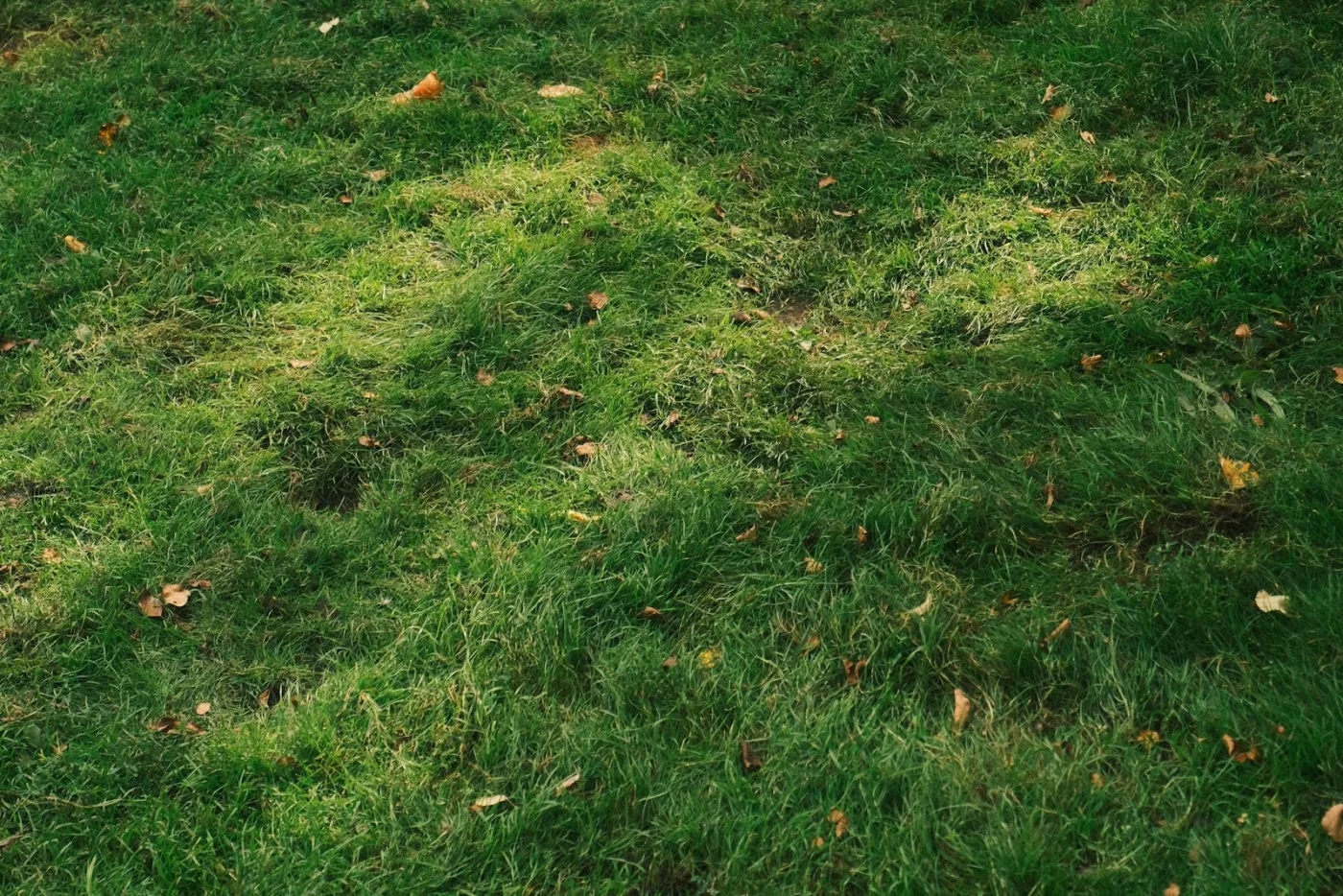
October 12th, 2022 — I walked a tall fescue lawn in suburban Indianapolis where the homeowner had done everything right in September: core aerated, overseeded, applied starter fertilizer, watered the new seed daily for two weeks. By October 12th, the new seedlings were 2-3 inches tall and thick. Then he stopped paying attention. No second fall fertilizer. No leaf removal. By December, the new seedlings were buried under wet leaves and frost-damaged at the crown. The following spring, he had bare spots where the new seed had failed to overwinter. October’s neglect undid September’s work.
Anton Schwarz, Resident Lawn Types Expert: “Most homeowners think the lawn season ends when the leaves fall. The opposite is true. October is when fall fertilizer goes down, when overseed seedlings need their second feeding, and when leaves need active management — not just one big November rake. The lawn that gets two well-timed October applications enters winter strong and exits winter stronger. The lawn that’s neglected in October pays for it in March.”
What Should Cool-Season Lawns Do in October?
Cool-season grasses are at peak growth rate through early-mid October. Soil temperatures are ideal (60-72°F at 4 inches), rainfall is typically reliable, and the grass is converting nutrients into root reserves and crown density.
Apply the Second Fall Fertilizer
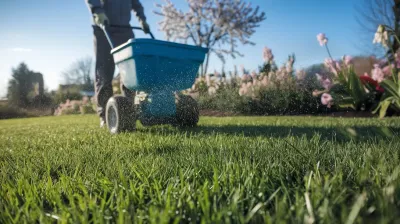
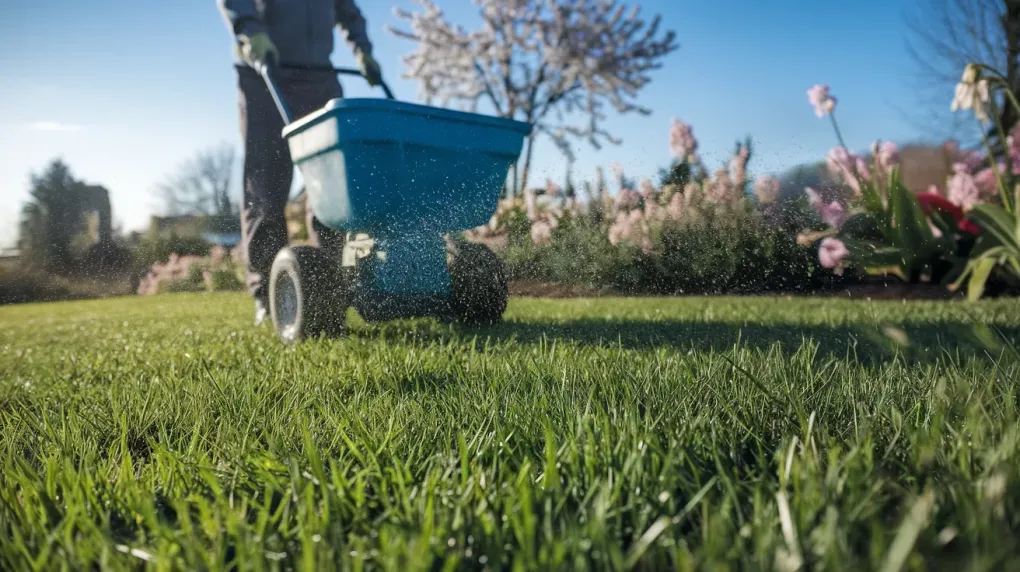
The October fertilizer reinforces the September application. Apply 0.75-1 lb N per 1,000 sq ft of a balanced fall product (24-2-12 or similar) about 4-6 weeks after the September application. For lawns that were overseeded in September, this is when the new seedlings have grown enough to use the nitrogen for tiller and crown development.
Use a calibrated broadcast spreader. Apply when the lawn is dry to prevent fertilizer burn on wet leaves. Water in with 0.25 inches of irrigation if rainfall isn’t expected within 48 hours.
Manage Falling Leaves Actively
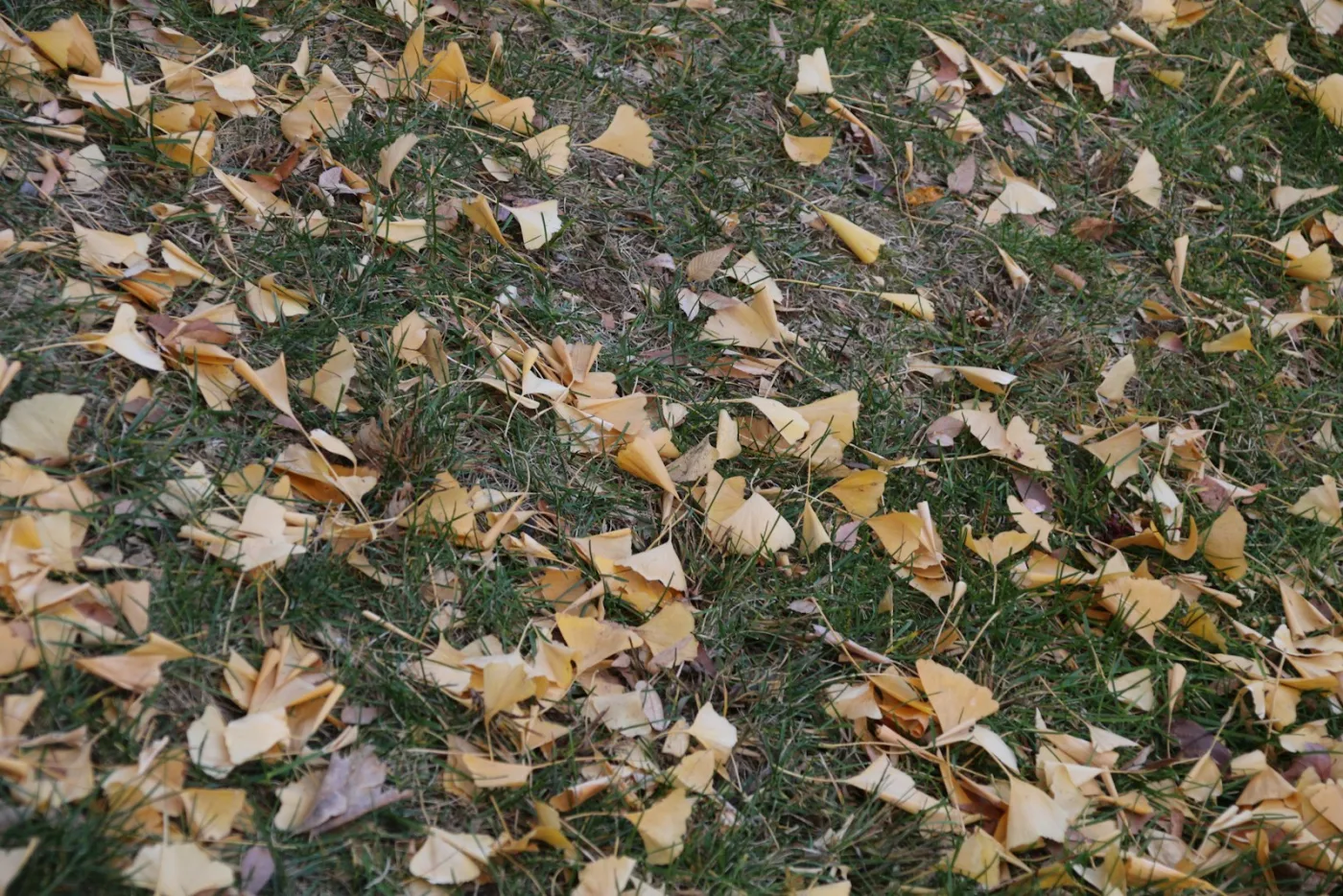
Wet leaves left on a lawn for more than 3-5 days smother grass underneath, especially newly-seeded areas. Two acceptable approaches:
- Mulch leaves directly into the lawn with a mulching mower. The shredded leaves decompose within 4-6 weeks and add organic matter. Works for moderate leaf drop (oak, maple in moderation). Mow when leaves cover roughly 50% of the visible grass.
- Bag and remove for heavy leaf drop. Especially for properties with multiple large maples or oaks where mulching produces too much surface debris.
A leaf blower plus a bagging mower attachment makes the work fast. For large properties, a leaf-and-debris loader on a riding mower handles the volume.
Final Broadleaf Weed Control
October is the optimal window for broadleaf herbicide on cool-season lawns. The grass is actively growing and outcompetes weeds; the herbicide moves through the weed’s vascular system and reaches the root system as the weed prepares for winter dormancy.
Spot-treat dandelions, plantain, and clover with a 2,4-D + dicamba product using a Chapin 20002 pump sprayer or similar. Spray when temps are between 55-75°F and weeds are actively growing.
Lower Mowing Height by Month-End
Begin gradually reducing mowing height in late October. Final fall height for cool-season grasses:
- Kentucky bluegrass and ryegrass: 2.5-3 inches
- Tall fescue: 3-3.5 inches
Lower the height in two cuts (don’t shock the lawn with a single big drop). The shorter winter height reduces leaf-to-stem ratio, which reduces snow mold risk through winter.
Continue Watering Until Ground Freezes
If natural rainfall is below 1 inch per week, continue irrigation. Newly-overseeded areas especially need consistent moisture through October to develop root systems before winter.
What Should Warm-Season Lawns Do in October?
Warm-season grasses are slowing into dormancy through October. Soil temperatures drop below 65°F by month-end in most warm-season zones, signaling the dormancy transition.
Final Potassium-Focused Application
If you didn’t apply potassium in September, October is the final window. K builds winter hardiness and supports clean spring greenup. Apply at 0.5 lb K per 1,000 sq ft.
Reduce Mowing Frequency
Bermuda mowing drops to every 10-14 days as growth slows. Maintain the species-appropriate height — don’t raise prematurely. The October bermuda lawn at 1.5 inches looks healthier than the same lawn raised to 2.5 inches in panic.
Continue Ryegrass Overseed Care (If Applicable)
For bermuda lawns overseeded with ryegrass for winter color, October is the establishment window. Water lightly 1-2 times daily until ryegrass reaches 2 inches; then return to standard 1-inch-per-week deep watering.
Plan Final Mow and Equipment Winterization
The final mow for warm-season grass is typically late October to early November depending on zone. Schedule it. After the final mow, the equipment goes into winter storage.
Why the Second Fall Fertilizer Is October’s Priority
A single September fertilizer application gets cool-season lawns about 60% of the way through the fall growth window. The remaining 40% — root depth, crown density, winter hardiness — requires the October follow-up.
Multi-year university extension trials consistently show:
- September only (1 application): acceptable winter survival, 15-20% spring density gain, modest summer heat tolerance
- September + October (2 applications): materially better winter survival, 30-45% spring density gain, materially better summer heat tolerance through next year
Same total nitrogen budget (split into two applications instead of one), completely different outcomes. The split-application timing is what matters. The grass uses the October nitrogen to deepen roots and store reserves — exactly what carries it through next summer’s stress.
If you only do one fall fertilizer, do September. If you can do two, October is the second one. Skip October at your spring lawn’s expense.
October Quick-Reference Checklist
Cool-Season (Zones 2-7):
- Apply second fall fertilizer (0.75-1 lb N/1,000 sqft)
- Manage leaves weekly (mulch or bag)
- Final broadleaf weed control window
- Lower mowing height to 2.5-3.5 inches by month-end
- Continue watering newly-seeded areas
Warm-Season (Zones 7-10):
- Final potassium fertilizer if not applied in September
- Reduce mowing frequency
- Maintain ryegrass overseed (if applicable)
- Plan final mow and equipment winterization
- Continue chinch bug monitoring (lighter pressure)
Frequently Asked Questions About October Lawn Care
Should I rake or mulch leaves?
Mulch when feasible. A mulching mower shreds leaves into pieces that decompose within 4-6 weeks and return organic matter to the soil. Bag and remove only when leaf volume exceeds the lawn’s capacity to absorb mulched material — typically when leaves cover more than 50% of the visible grass after mowing. For most residential lawns with moderate tree cover, mulching handles the entire fall.
When is the last mow of the season?
Cool-season: stop mowing when grass stops actively growing — typically when daytime highs consistently stay below 50°F (mid-November in Zone 6, late November in Zone 7). Warm-season: stop after the lawn fully transitions to dormancy (browns out completely). Don’t stop mowing on a calendar date — stop based on lawn condition.
Can I overseed in October?
October overseeding is possible but materially worse than September. Cool soil temps slow germination, and seedlings have less time to establish before winter dormancy. If you missed the September window, October 1-7 in Zones 6-7 is the last reasonable opportunity. Past mid-October, wait until next September.
Should I apply pre-emergent in October?
For cool-season lawns, no — fall pre-emergent is unnecessary because annual grasses (crabgrass, foxtail) have completed their life cycle by then. For winter annual weed prevention (poa annua, henbit, chickweed), a fall pre-emergent (prodiamine) applied late September to early October provides control. This is mostly relevant for warm-season lawns and southern climates.
Why does my lawn look thin after fall fertilizer?
The October fall fertilizer feeds root development, not visible top growth. The lawn doesn’t necessarily look greener or thicker on the surface in October — it’s building the foundation for spring. Trust the process. The visible benefit shows up in March-April as your lawn greens up earlier and denser than neighbors who skipped the October application.
What’s Coming in November?
November is the winterizer fertilizer application, final mow, and equipment winterization. The lawn enters dormancy and your job shifts from active management to setup for next spring. Our fall lawn care guide maps out the late-fall transition.
Lawn Care Year Navigation
| Previous | Hub | Next |
|---|---|---|
| ← September lawn care | 📅 Annual Calendar | November lawn care → |
Season hub: Fall Lawn Care Guide — full three-month fall program with cool-season and warm-season specifics.
Related Resources
- Annual Lawn Care Calendar — the complete 12-month schedule
- Fall Lawn Care Guide — full September-November program
- Best Fertilizer Spreaders — calibrated for second fall fertilizer
- Best Lawn Mowers — mulching mowers for leaf management
- Bermuda Grass Guide — fall transition to dormancy