Equipment & Product Reviews
Research-based reviews compiled from manufacturer specifications and published independent reviews, with every source linked.
15 years managing grass types across three climate zones. Real experience, not textbook advice. Find the right grass, solve lawn problems, and get the best equipment.
Each guide draws on turfgrass management experience across multiple climate zones. Select the grass that fits your climate, sun exposure, and maintenance level.
The gold standard for northern lawns. Self-repairs through rhizomes, handles foot traffic better than most cool-season varieties. Takes patience—germinates in 14-30 days—but worth the wait for that deep green color.
Deep roots make this the drought champion of cool-season grasses. Stays green when bluegrass goes dormant. Modern turf-type varieties look nothing like the clumpy stuff from the 90s.
Germinates in 5-10 days—the fastest of cool-season grasses. Sports fields use it for quick establishment and wear tolerance. Bright green, fine texture, handles mowing at 1.5 inches without complaint.
The ultimate shade grass—thrives where others fail in 50-80% shade. Requires minimal fertilization (1-2 lbs N/year), little water once established, and infrequent mowing. Includes Creeping Red, Chewings, Hard, and Sheep fescue varieties. Not for high-traffic areas.
Aggressive spreader, full sun lover, handles southern heat like it's nothing. Golf courses use hybrid bermuda for a reason. Goes dormant and brown in winter, but bounces back fast when temperatures hit 65°F.
Thick carpet texture that chokes out weeds naturally. Slower to establish than bermuda, but once it's in, it's nearly bulletproof. Handles moderate shade better than most warm-season varieties.
Coastal regions love this grass. Salt-tolerant, shade-tolerant, wide blades that feel great barefoot. Chinch bugs are the main enemy—I've learned to scout for them every spring.
The lazy person's grass (said with affection). Low fertility needs, slow growth means less mowing, tolerates acidic soil. Not for high traffic areas, but perfect for low-maintenance southern lawns.
Identify and fix weeds, diseases, and pests with our expert diagnostic guides.
Crabgrass, dandelions, nutsedge, clover - identification and elimination guides.
5 guidesBrown patch, dollar spot, rust - identify symptoms and apply the right fungicide.
3 guidesGrubs, chinch bugs, armyworms - prevent damage and save your lawn.
3 guidesComplete diagnostic guide covering 12 causes with step-by-step identification.
Diagnostic guideInteractive calculators and quizzes for planning your lawn care.
Research-based reviews compiled from manufacturer specifications and published independent reviews, with every source linked.
Side-by-side research for specific needs and grass types
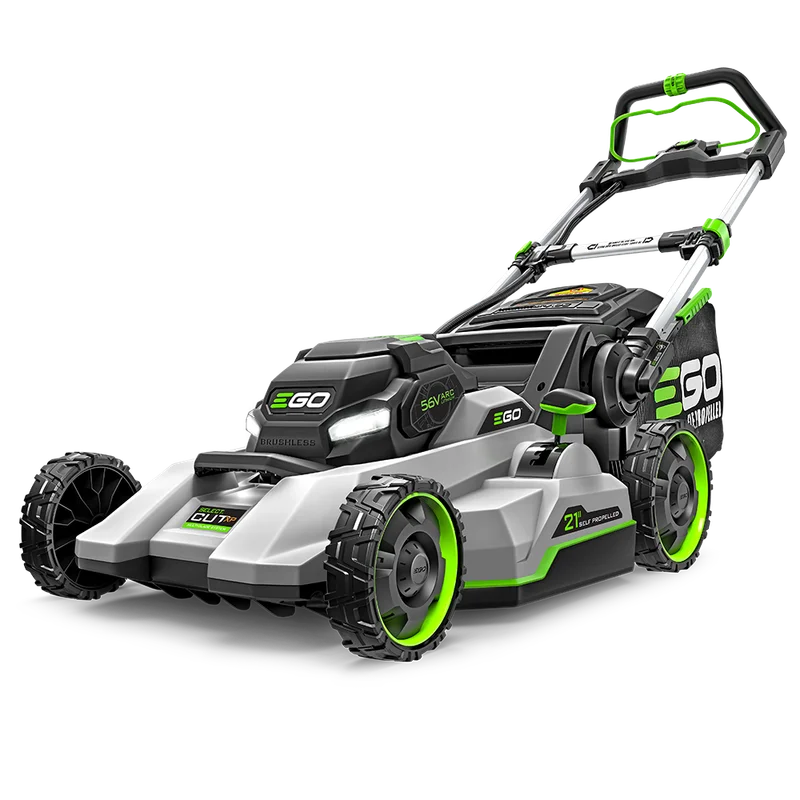
Mowers compared for cutting bermudagrass low
Nitrogen per bag, cost per pound of N, and state phosphorus rules
Six models compared on slope limits and coverage
Runtime and power specs compared
The best grass depends on your climate zone. Cool-season grasses (Kentucky Bluegrass, Tall Fescue, Perennial Ryegrass) thrive in zones 2-7. Warm-season grasses (Bermuda, Zoysia, St. Augustine, Centipede) perform best in zones 7-10. Take our Grass Selector Quiz to get a personalized recommendation.
Fine Fescue is the most shade-tolerant, thriving in 50-80% shade. St. Augustine tolerates moderate shade (4-5 hours of sun). Tall Fescue handles partial shade. Bermuda and Centipede require full sun. Read our Fine Fescue guide for shade lawn strategies.
Centipede grass needs the least maintenance — only 1-2 lbs nitrogen/year and infrequent mowing. For cool climates, Fine Fescue is similarly low-input. See our Centipede guide for details.
Cool-season: primarily fall (Sept-Nov) with a light spring app. Warm-season: late spring through summer (Apr-Aug). Never fertilize dormant grass. Use our Fertilizer Calculator for exact amounts.
The most common cause is nitrogen deficiency (60%+ of cases). Other causes include iron chlorosis, overwatering, drought stress, disease, or insects. Our complete yellow grass diagnostic guide covers 12 causes with step-by-step identification.

Certified Sports Field Manager (CSFM) | 15+ Years Experience
Anton Schwarz has spent over 15 years perfecting turfgrass management across three climate zones, with extensive experience in both warm-season and cool-season grasses. B.S. in Turfgrass Science from the University of Georgia.